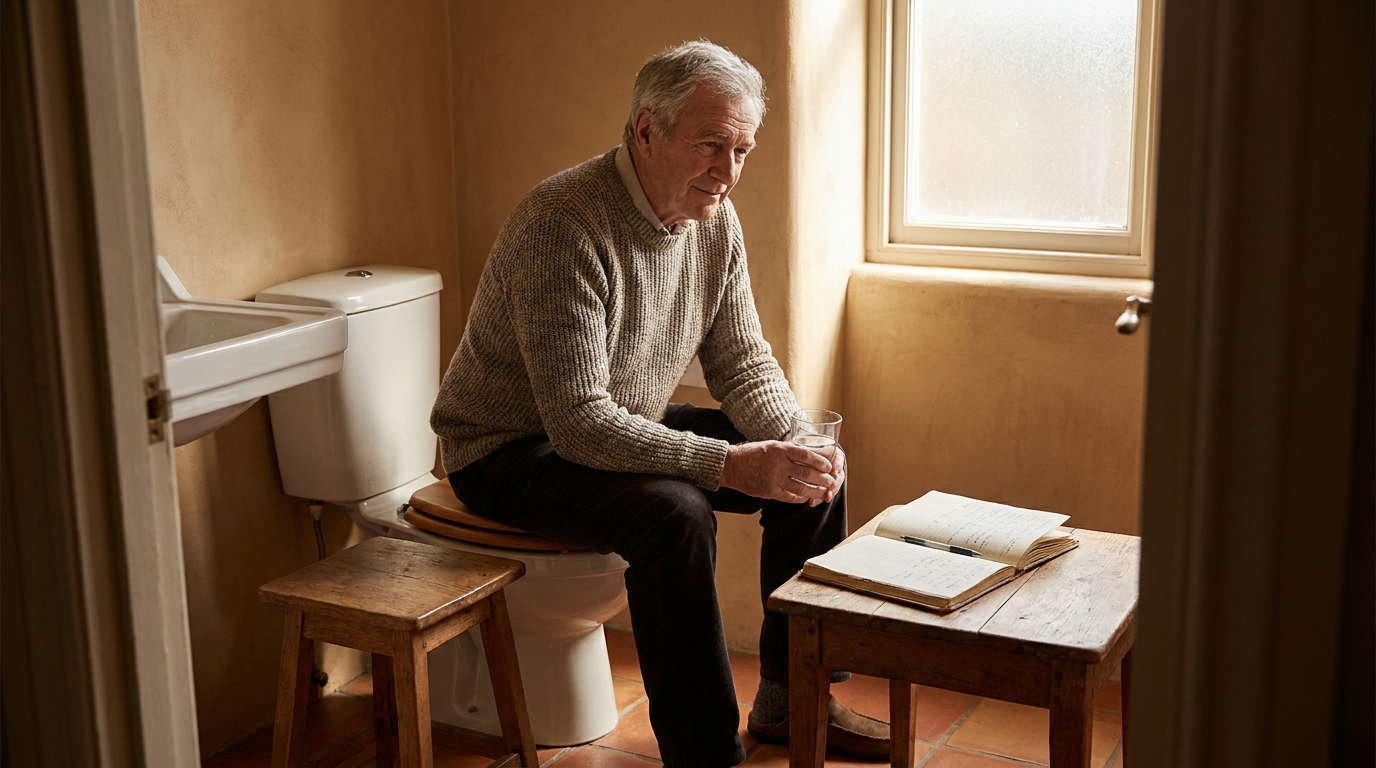
Benign Prostatic Hyperplasia and an Enlarged Prostate
Benign Prostatic Hyperplasia (BPH)—commonly referred to as an enlarged prostate—is one of the most prevalent medical conditions affecting aging men in North America. Because BPH is closely tied to aging, its prevalence climbs steeply with each decade of life. Histological and clinical estimates show that roughly 50% to 75% of men experience BPH or associated lower urinary tract symptoms (LUTS) by the time they reach their 50s.
Educational summary — not medical advice. See a licensed clinician.
Topic - Benign Prostatic Hyperplasia and an Enlarged Prostate
Benign prostatic hyperplasia (BPH) is non-cancerous growth of the prostate, a gland below the bladder. It is common with ageing. It can squeeze the tube that carries urine out of your body. Treatment can help when symptoms affect your daily life.
Symptoms and assessment
You may notice a weak or stop-start stream, difficulty starting, dribbling, frequent or urgent urination, waking at night, or a feeling that your bladder is not empty.
BPH does not cause prostate cancer, but both can occur together. Have new symptoms checked. Your clinician may review your medicines, examine your prostate and test your urine. Discuss whether a PSA blood test is useful; PSA alone cannot diagnose cancer.
What you can do
Reduce caffeine and alcohol. Drink regularly during the day, but limit drinks near bedtime. Avoid dehydration and follow any prescribed fluid restriction.
Take time to urinate without straining. Relax, wait a moment, then try again. Sitting down may help. Avoid holding urine for long periods.
Ask a pharmacist before using cold or allergy products: some decongestants and antihistamines make urination harder. Do not stop prescribed medicines on your own.
Treatment choices
Monitoring: mild symptoms may only need self-care and regular review.
Medicines: tamsulosin and similar medicines relax muscles and may help within weeks. They can cause dizziness or ejaculation changes. Finasteride or dutasteride can shrink larger prostates over months; sexual side effects can occur. They lower PSA, so tell anyone interpreting your test results.
Procedures or surgery: considered when symptoms remain troublesome or there are complications such as repeated urine blockage, infections or kidney problems. Ask about effects on ejaculation, erections and bladder control.
When to seek medical help
Go to an emergency department now if you cannot pass urine at all, especially with a painful or swollen lower abdomen. You may need a tube to drain your bladder.
Get medical assessment today for blood in your urine, painful urination, fever or chills, or pain in your side or back. Do not assume these symptoms are just BPH.
Book a routine review if symptoms worsen, disturb sleep or daily life, or medicines cause side effects. Keep a short record of drinks, toilet visits and symptoms to bring along.
AI generated Sources: HealthLink BC | MyHealth Alberta | NIDDK Patient information supports advice from your healthcare team. Reviewed 21 October 2026.
Discussion is closed for medical summaries.