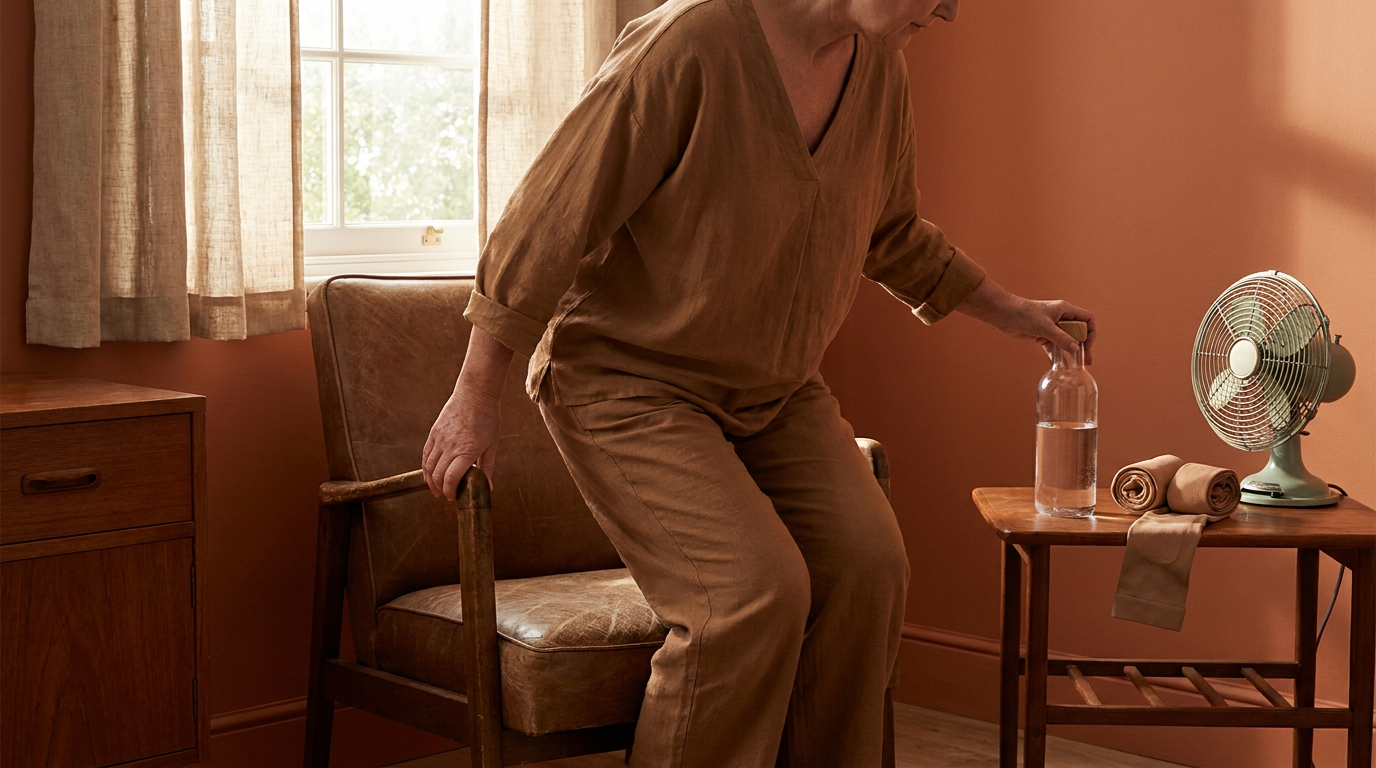
Postural Orthostatic Tachycardia Syndrome
Postural Orthostatic Tachycardia Syndrome (POTS) is a form of dysautonomia characterized by a pathological increase in heart rate when moving from a lying or sitting position to standing. Estimated Percentage: Medical literature generally estimates the prevalence of POTS to be between 0.2% and 1.0% of the general population. In the United States alone, organizations like Dysautonomia International and major medical centers estimate that POTS affects roughly 1 million to 3 million people. ( John Hopkins Medicine).
Educational summary — not medical advice. See a licensed clinician.
Topic - Postural Orthostatic Tachycardia Syndrome
Understanding symptoms and managing daily life
What is POTS?
POTS is a disorder of the autonomic nervous system. When you stand, your heart rate rises more than expected and you may feel unwell. Symptoms typically improve when lying down. POTS is a physical condition—not simply anxiety.
Common symptoms
Lightheadedness, racing heartbeat, fatigue, brain fog, headache, nausea, shakiness, blurred vision, exercise intolerance, and sometimes fainting. Symptoms may worsen with heat, dehydration, prolonged standing, illness, or large meals.
How is it diagnosed?
Your clinician checks heart rate and blood pressure while lying down and during up to 10 minutes of standing. In adults, a sustained heart-rate rise of at least 30 beats/minute (40 in ages 12–19), without a significant blood-pressure drop, supports the diagnosis when symptoms have lasted at least 3 months and other causes have been excluded. Tests may include ECG and blood work.
Your everyday management plan
The best approach is individualized. Discuss the following with your healthcare professional:
Fluids: many adults are advised to drink about 2–3 litres per day, unless medically restricted.
Salt: extra salt may help some patients, but only increase it on your clinician’s advice—especially with kidney, heart, or blood-pressure problems.
Compression: waist-high stockings or abdominal compression may reduce blood pooling.
Movement: start with gentle, reclined or seated activity and build gradually as tolerated. Do not push through prolonged post-exertional symptom worsening.
Habits: rise slowly, avoid overheating, take seated breaks, and try smaller meals if large meals trigger symptoms.
If you feel faint
Sit or lie down immediately and raise your legs if possible. If unable to lie down, cross your legs and tighten leg and abdominal muscles. Do not drive while dizzy. Seek help if symptoms do not settle.
POTS Patient Education — • October 2026
Can medication help?
If lifestyle changes are not enough, a clinician may consider medications such as a beta-blocker, ivabradine, midodrine, fludrocortisone, or pyridostigmine. No medicine works for everyone. Do not start, stop, or change doses without medical advice.
Practical tips for home, work, and school
Keep water accessible, sit before standing in the morning, use a shower chair if needed, keep cool, pace activities, and request seated breaks or other accommodations. Track symptoms, pulse readings (if advised), and possible triggers to discuss at follow-up.
When to seek help
Book a medical review if dizziness, palpitations, fainting, or fatigue are worsening or disrupting your life. Call 911 for severe chest pain, significant trouble breathing, fainting during exercise, prolonged unconsciousness, or new stroke-like symptoms. Do not assume every new symptom is due to POTS.
What to expect
POTS can fluctuate over time. Many people improve with tailored care, although some need longer-term follow-up. Treatment aims to improve function, reduce symptoms, and prevent falls.
Questions to ask your healthcare team
What fluid and salt targets are safe for me? Would compression help? What exercise plan fits my symptoms? Could any of my medicines worsen POTS? When should I follow up?
AI Generated
HealthLink BC: healthlinkbc.ca/healthwise/postural-orthostatic-tachycardia-syndrome-pots Johns Hopkins Medicine: hopkinsmedicine.org/health/conditions-and-diseases/postural-orthostatic-tachycardia-syndrome-pots NHS: nhs.uk/conditions/postural-tachycardia-syndrome/
This leaflet is for education and does not replace personalized medical advice.
Discussion is closed for medical summaries.