Diverticulosis
In North America, the prevalence of diverticulosis (the presence of small pouches or sacs in the wall of the colon) is heavily tied to age and Western lifestyle factors. It is o. ne of the most common gastrointestinal conditions in Western countries, though it is relatively rare before the age of 40. Ages 50 to 60: Roughly 30% to 50% of individuals have developed diverticula and Ages 80 and Older: Prevalence rises to approximately 70% to 75%.
Educational summary — not medical advice. See a licensed clinician.
Topic - Diverticulosis
Patient education leaflet
What is diverticulosis
Diverticulosis means small pouches have formed in the wall of your colon (large bowel). Most people have no symptoms and never develop complications. It is often found during a colonoscopy or scan done for another reason.
Diverticulitis happens when a pouch becomes inflamed, sometimes with infection. It may cause new belly pain, often on the lower left side, and fever. The pouches can also bleed, sometimes without pain.
Looking after your bowel
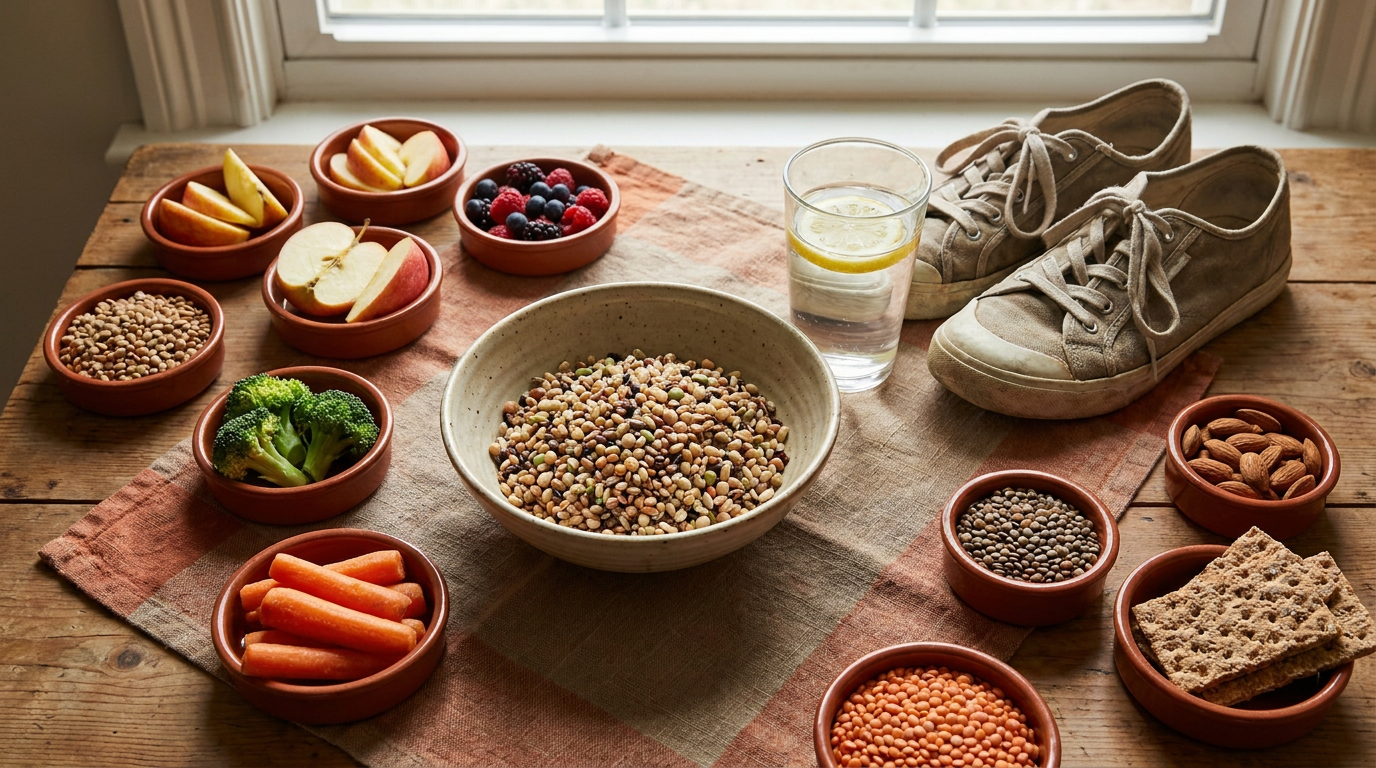
Eat fibre-rich foods daily: vegetables, fruit, oats, wholegrain bread, beans and lentils. Add fibre gradually to reduce gas and bloating.
Drink water regularly to help keep stools soft. If you have a prescribed fluid limit, follow your healthcare team’s advice.
You do not need to avoid nuts, seeds, berries or tomatoes because of diverticulosis.
Stay active, such as by walking regularly. Allow time to use the toilet and avoid straining.
Eat red meat less often or in smaller portions. Try beans, lentils, fish or poultry instead.
Treatment and follow up
Diverticulosis without symptoms usually needs no specific medicine or surgery. If constipation continues, ask your clinician or pharmacist about a fibre supplement or other treatment. Supplements are not proven to prevent diverticulitis.
Do not treat new belly pain by simply adding more fibre. Seek assessment. During diverticulitis, your clinician may advise temporary diet changes. Do not start a liquid diet for uncomplicated diverticulosis.
When to seek medical care
Call 911 now if rectal bleeding comes with fainting, severe dizziness, marked weakness or reduced alertness.
Go to an emergency department now for heavy or ongoing bleeding, blood clots, or severe or rapidly worsening belly pain.
Get medical assessment today for new persistent belly pain, fever or chills, repeated vomiting, inability to keep fluids down, or any new blood in your stool.
Book an appointment for ongoing constipation, a lasting change in bowel habits or unexplained weight loss. Do not assume these are due to diverticulosis.
AI Generated Sources: HealthLink BC — Diverticulosis • Eating guidelines • Diverticulitis • Bleeding Ask your healthcare team about persistent symptoms and routine bowel cancer screening.
Discussion is closed for medical summaries.